
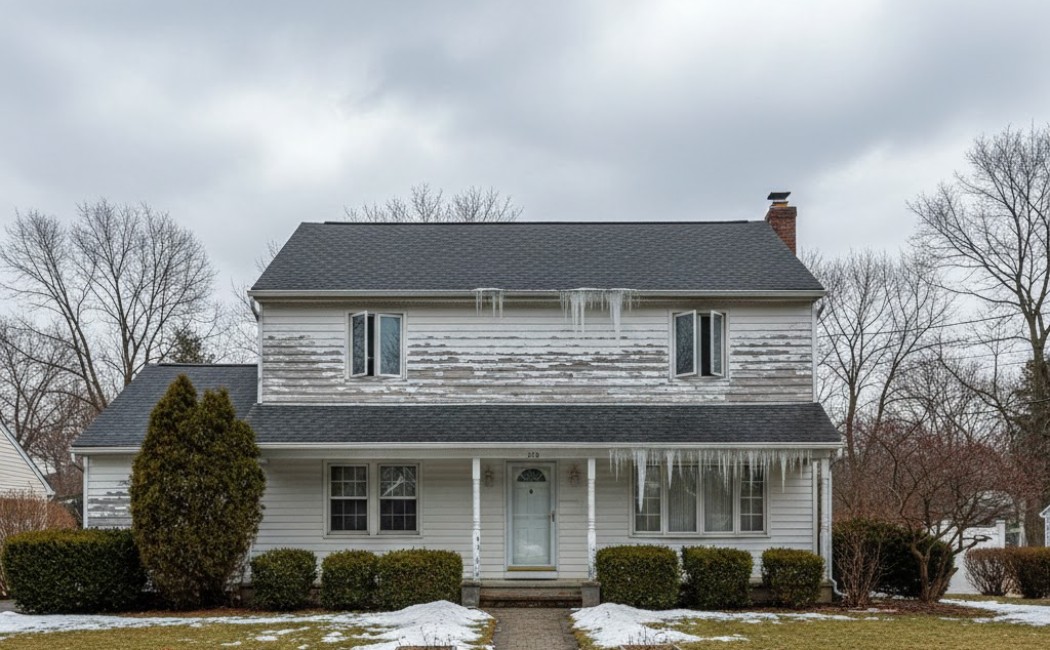
The winters of New Jersey are not something to laugh at. Between freezing temperatures, heavy snow, ice storms, and changes in humidity, your home’s exterior takes a heavy hit. Although siding and roofing usually receive the majority of the attention, exterior paint quietly endures significant seasonal strain. Even before spring arrives, many homeowners notice peeling, cracking, blistering, or fading paint on their houses — and wonder why.
The brutality of NJ winters can severely damage exterior paint, particularly when minor holes were present before winter. This is why it is so important to check your house at the beginning of spring. It goes without saying that minor damage is easier to detect early, preventing costly repairs later.
Professional services, such as Best Remodeling Group NJ and Expert House Painting Services NJ, are essential for keeping your home’s exterior safe. Preventive maintenance begins with proper paint application and water management systems.
The Effect of Winter Weather on Exterior Paint
Freezing Temperatures and Paint Adhesion
Paint swells and shrinks with temperature changes. In New Jersey, winter temperatures can change from below zero to warm within a few days. Such repeated expansion and contraction undermine the bond between the paint and the substrate beneath it. In the long run, this results in cracking and peeling.
When the paint was applied later in the fall, with insufficient time to cure, it was even more susceptible to failure upon first freeze.
Snow, Ice and Moisture Intrusion
The accumulation of snow along the siding and trim may not be significant, but as the snow melts and refreezes, moisture can infiltrate the small cracks. When water freezes, it expands by almost 9 percent. Such expansion rubs against the paint layer, causing it to blister and flake off.
Another issue prevalent in winter in NJ homes is ice dams. Melting snow may refreeze on the roof, accumulating water beneath the shingles and causing water to run along the exterior walls. This continual exposure to moisture accelerates paint deterioration.
The Role of Clogged Gutters
One of the leading causes of early paint failure is clogged gutters. Snowmelt has nowhere to drain when the gutters are clogged with leaves or debris. Water leaks out rather than flowing into the ground; instead of falling on the ground, it flows over the side and down the house.
This overflow saturates the siding and trim, weakening paint adhesion and causing it to peel early. By investing in Gutter Installation and Repair Services, you can be confident your drainage system functions effectively year-round, preventing water damage to your paint.
Signs Your Paint Is at Risk
The damage caused in winter is not always visible on the surface. The following are some major warning signs to be considered in your spring inspection:
Peeling, Blistering or Flaking Paint
When paint peels off the surface, it may indicate that water has seeped beneath it. The blistering will usually appear as tiny bubbles, and the peeling will show areas of siding or trim peeling off.
When these signs are ignored, water may contact bare wood or the underlying material, leading to structural damage.
Alteration or Whitish Residue
The color may fade or be uneven, which can indicate exposure to UV light and use of winter wear. The chalky residue on the surface shows that the paint is chemically disintegrating. It is time to take note when you brush your hand along the siding and notice powder.
Cracks or Exposed Wood
Cracks in the hairline of trim or siding allow water to freeze. Moisture infiltration begins when you see bare wood, darkened spots, or soft spots. The earlier the better! Rot and expensive repair are avoided.
Prevention of Winter Before and After
Clean Gutters and Downspouts
Water management is necessary. Regular gutter Inspection by Gutter Installation & Repair Services NJ prevents blockages that cause overflow and damage to the siding.
Downspouts shall not aim directly at your foundation, but at least 3 to 5 feet. This minimizes splash-back, which may affect the bottom layers of paint.
Inspect Siding and Trim
Check for cracks, gaps, or caulking failures before winter and again in early spring. Cover opening points to avoid water intrusion.
Be aware of areas around windows, doors, and rooflines where dampness is most likely to occur.
Repainting and Touch-Ups by professionals
If damage is already apparent in winter, the professional will repair the barrier that your paint is intended to protect. When working with Cedars Remodeling Group, you can also expect good surface preparation, priming, and quality application.
Loose paint is removed, sanded, primed with moisture-permeable primers, and finally finished with hard exterior finishes that withstand NJ’s climate.
Selection of the appropriate Materials and Techniques.
NJ Winters: BP Weather-Resistant Painting
All paints are equal. Exterior house paint is formulated for cold-weather conditions to ensure flexibility and prevent cracking. Seek paint acrylic latex that is mildew-resistant and has high adhesion. These paint finishes are more resistant to moisture and temperature changes.
Proper Surface Preparation
Even good paint does not work without good preparation. The surfaces should be dry, clean, and free of loose debris before application. Wood siding must have a moisture content of 15 percent or less before being painted to guarantee high adhesion.
One of the major causes of premature paint failure is the failure to properly prepare.
When to Call Professionals
It may appear cheap; however, in the long term, the painting will last, depending on its technique and material quality. Professionals in NJ understand seasonal conditions and schedule projects to minimize delays, typically when temperatures range from 50°F to 85°F.
For long-term outcomes, expert application is highly significant.
Tips on regular Maintenance of long-lasting Paint
Carry out Seasonal Inspections
Have your house inspected at least two times in a year: spring and fall. Minor problems will be identified early enough to prevent extensive harm.
High-risk areas, such as corners, roof edges, and areas that receive heavy snowfall, should be inspected.
Keep Gutters Functional
One of the most significant preventive activities is water management. Clogged gutters can cause overflow and damage paint and structural components; keeping them clean helps prevent this.
It is possible to schedule gutter maintenance with Gutter Cleaning Services NJt once a week to prevent winter-related issues.
Plan Periodic Touch-Ups
The exterior paint typically has a lifespan of 5-10 years, depending on quality and exposure. Nevertheless, minor repairs on a regular basis (after every several years) contribute to its long life considerably.
Treat small cracks or fading before they worsen.
Conclusion
The winter weather in New Jersey provides the ideal environment for early paint failure. Whether it is freezing weather, snow, or ice damming in a gutter, all of these factors contribute to peeling, cracking, and fading.
Prevention is in its proactive maintenance. Home maintenance, such as gutter maintenance, spring inspections, and the use of high-quality paint, will help prevent costly repairs.
If you notice something is wearing out or want your home ready for next winter, you can schedule an inspection with Trusted Remodeling Group NJ or arrange preventive maintenance with Gutter Cleaning Services NJ. Today, you can save your home and its beauty and safety in a few minutes.